Cybersecurity has become one of the most critical aspects of modern technology. As businesses, governments, and individuals rely more on digital systems, the risk of cyber threats continues to grow. From data breaches to ransomware attacks, cybersecurity plays a vital role in protecting sensitive information and maintaining trust in the digital world.
In this in-depth guide, we'll explore what cybersecurity is, how it works, its types, importance, real-world applications, challenges, and future trends. This article is optimized for SEO and designed to provide high-value content for your platform.
What Is Cybersecurity?
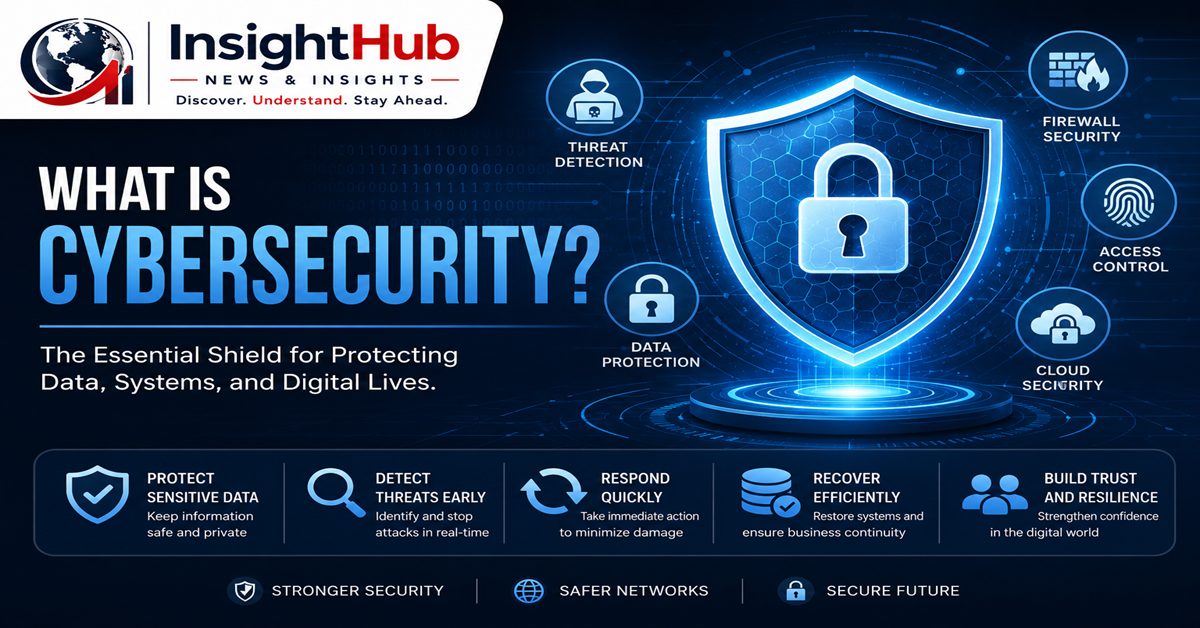
Cybersecurity refers to the practice of protecting systems, networks, devices, and data from cyber threats, unauthorized access, and digital attacks. It involves technologies, processes, and strategies designed to safeguard information from being stolen, damaged, or disrupted.
Simple Definition:
Cybersecurity is the process of defending computers, servers, networks, and data from malicious attacks.
Why Cybersecurity Is Important
In today's digital landscape, cybersecurity is not optional-it's essential.
Key Reasons:
1. Protection of Sensitive Data
Organizations store vast amounts of personal and financial data. Cybersecurity prevents unauthorized access to this information.
2. Prevention of Financial Loss
Cyberattacks can cause significant financial damage through fraud, theft, and system downtime.
3. Business Continuity
Cybersecurity ensures that systems remain operational and resilient against attacks.
4. Trust and Reputation
A single data breach can damage a company's reputation permanently.
How Cybersecurity Works
Cybersecurity uses multiple layers of defense to protect systems and data.
Step-by-Step Security Approach:
1. Prevention
Using firewalls, antivirus software, and encryption to block attacks.
2. Detection
Monitoring systems to identify suspicious activity.
3. Response
Taking action when a threat is detected.
4. Recovery
Restoring systems and data after an attack.
Types of Cybersecurity
Cybersecurity is divided into several categories:
1. Network Security
Protects computer networks from intrusions, malware, and unauthorized access.
Tools Used:
- Firewalls
- Intrusion Detection Systems (IDS)
- VPNs
2. Application Security
Focuses on securing software applications from vulnerabilities.
Examples:
- Secure coding practices
- Regular updates and patches
3. Information Security
Protects data integrity, confidentiality, and availability.
4. Cloud Security
Ensures the safety of data stored in cloud platforms.
5. Endpoint Security
Protects devices like laptops, smartphones, and servers.
6. Identity and Access Management (IAM)
Controls who can access systems and data.
Common Cyber Threats
Understanding threats is key to effective cybersecurity.
1. Malware
Malicious software designed to damage or gain unauthorized access.
Types:
- Viruses
- Worms
- Trojans
2. Phishing Attacks
Fraudulent emails or messages that trick users into revealing sensitive information.
3. Ransomware
Attackers lock your data and demand payment to restore access.
4. Denial-of-Service (DoS) Attacks
Overloading systems to make them unavailable.
5. Man-in-the-Middle (MitM) Attacks
Intercepting communication between two parties.
Key Cybersecurity Technologies
Firewalls
Act as a barrier between trusted and untrusted networks.
Encryption
Protects data by converting it into secure code.
Antivirus Software
Detects and removes malicious programs.
Multi-Factor Authentication (MFA)
Adds extra security beyond passwords.
Applications of Cybersecurity
Cybersecurity is used across all industries:
Healthcare
Protects patient records and hospital systems.
Finance
Prevents fraud and secures transactions.
Government
Protects national security and sensitive data.
E-Commerce
Secures online payments and customer data.
IT & Enterprises
Ensures secure operations and data protection.
Benefits of Cybersecurity
1. Data Protection
Keeps sensitive information safe.
2. Reduced Risk of Attacks
Minimizes vulnerabilities.
3. Increased Customer Trust
Users feel safe sharing their data.
4. Regulatory Compliance
Helps meet legal and industry standards.
Challenges in Cybersecurity
1. Evolving Threats
Hackers constantly develop new attack methods.
2. Lack of Skilled Professionals
There is a global shortage of cybersecurity experts.
3. High Implementation Costs
Advanced security systems can be expensive.
4. Human Error
Employees are often the weakest link.
Cybersecurity vs Information Security
- Cybersecurity focuses on protecting digital systems.
- Information Security protects all forms of data, both digital and physical.
Future of Cybersecurity
Cybersecurity will continue to evolve as technology advances.
Key Trends:
1. AI-Powered Security
Artificial intelligence will detect threats faster.
2. Zero Trust Architecture
No user or system is trusted by default.
3. Cloud Security Growth
As cloud adoption increases, so will security measures.
4. IoT Security
More connected devices mean more vulnerabilities.
5. Automation
Automated systems will handle threat detection and response.
Best Practices for Cybersecurity
Use Strong Passwords
Avoid simple or repeated passwords.
Enable Multi-Factor Authentication
Adds an extra layer of security.
Keep Software Updated
Patch vulnerabilities regularly.
Train Employees
Awareness reduces human errors.
Backup Data
Ensure recovery in case of attacks.
How to Start a Career in Cybersecurity
1. Learn Basics
Understand networks, systems, and security concepts.
2. Get Certifications
Popular certifications:
- CEH (Certified Ethical Hacker)
- CompTIA Security+
- CISSP
3. Practice
Use labs and real-world scenarios.
4. Stay Updated
Cybersecurity is constantly evolving.
Conclusion
Cybersecurity is a fundamental part of the digital world. As cyber threats become more advanced, the need for strong security measures continues to grow. Whether you're an individual, business, or government organization, investing in cybersecurity is essential for protecting data, maintaining trust, and ensuring long-term success.
Understanding cybersecurity today prepares you for a safer digital future.