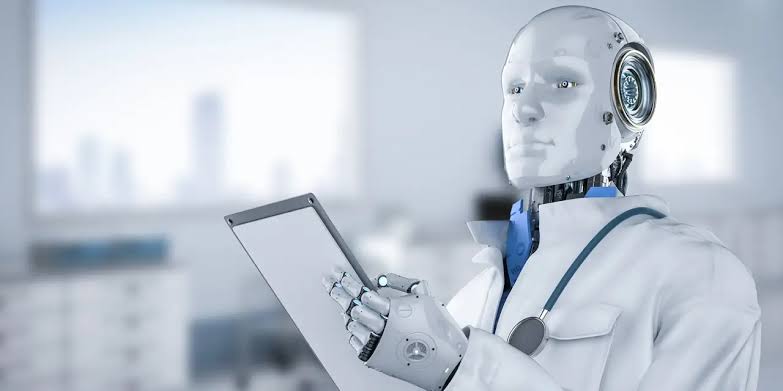
Artificial Intelligence is no longer a futuristic concept in healthcare—it is becoming a core part of daily hospital operations. From patient admission to diagnosis and post-treatment monitoring, AI is reshaping how healthcare professionals deliver care.
One of the most significant contributions of AI is in early disease detection. Machine learning algorithms can analyze vast amounts of medical data, including imaging scans, lab results, and patient history, to identify patterns that may not be visible to the human eye. This enables earlier diagnosis of conditions such as cancer, cardiovascular diseases, and neurological disorders, ultimately saving lives.
AI in Diagnostics and Imaging
AI-powered tools are revolutionizing radiology and diagnostic imaging. Systems can now review X-rays, MRIs, and CT scans within seconds, highlighting abnormalities with high accuracy. These tools assist doctors rather than replace them, reducing workload and minimizing diagnostic errors.
For example, AI can:
- Detect tumors at early stages
- Identify fractures or internal bleeding
- Analyze lung infections and respiratory conditions
This leads to faster decision-making and improved patient outcomes.
Personalized Treatment Plans
Every patient is unique, and AI helps tailor treatments based on individual characteristics. By analyzing genetic data, lifestyle factors, and medical history, AI systems can recommend personalized treatment plans.
This approach, often referred to as precision medicine, ensures that patients receive the most effective therapies with fewer side effects. It is particularly impactful in areas like oncology, where treatment responses can vary significantly between patients.
Enhancing Hospital Operations
Beyond clinical care, AI is improving the efficiency of hospital management. Administrative tasks such as scheduling, billing, and patient record management are increasingly automated, allowing healthcare staff to focus more on patient care.
Key benefits include:
- Reduced waiting times
- Optimized resource allocation
- Improved patient flow management
- Lower operational costs
AI-powered chatbots and virtual assistants are also being used to handle patient inquiries, appointment bookings, and follow-ups.
Remote Monitoring and Telemedicine
AI plays a crucial role in remote healthcare services. Wearable devices and smart monitoring systems collect real-time patient data, which AI analyzes to detect any abnormalities. Doctors can monitor patients from a distance, reducing the need for frequent hospital visits.
This is especially beneficial for:
- Chronic disease management
- Elderly patient care
- Post-surgery recovery monitoring
Telemedicine combined with AI ensures continuous care, even outside hospital settings.
Challenges and Ethical Considerations
Despite its advantages, AI in healthcare comes with challenges. Data privacy, security, and ethical concerns remain critical issues. Healthcare providers must ensure that patient data is protected and used responsibly.
Additionally, AI systems require high-quality data to function effectively. Poor or biased data can lead to inaccurate predictions, which may impact patient safety.
The Future of AI in Healthcare
The future of healthcare is deeply connected with AI innovation. As technology continues to evolve, we can expect:
- Fully automated diagnostic systems
- Advanced robotic surgeries
- Real-time health monitoring with predictive alerts
- Seamless integration of AI into everyday clinical workflows
AI will not replace healthcare professionals but will empower them to deliver faster, smarter, and more accurate care.