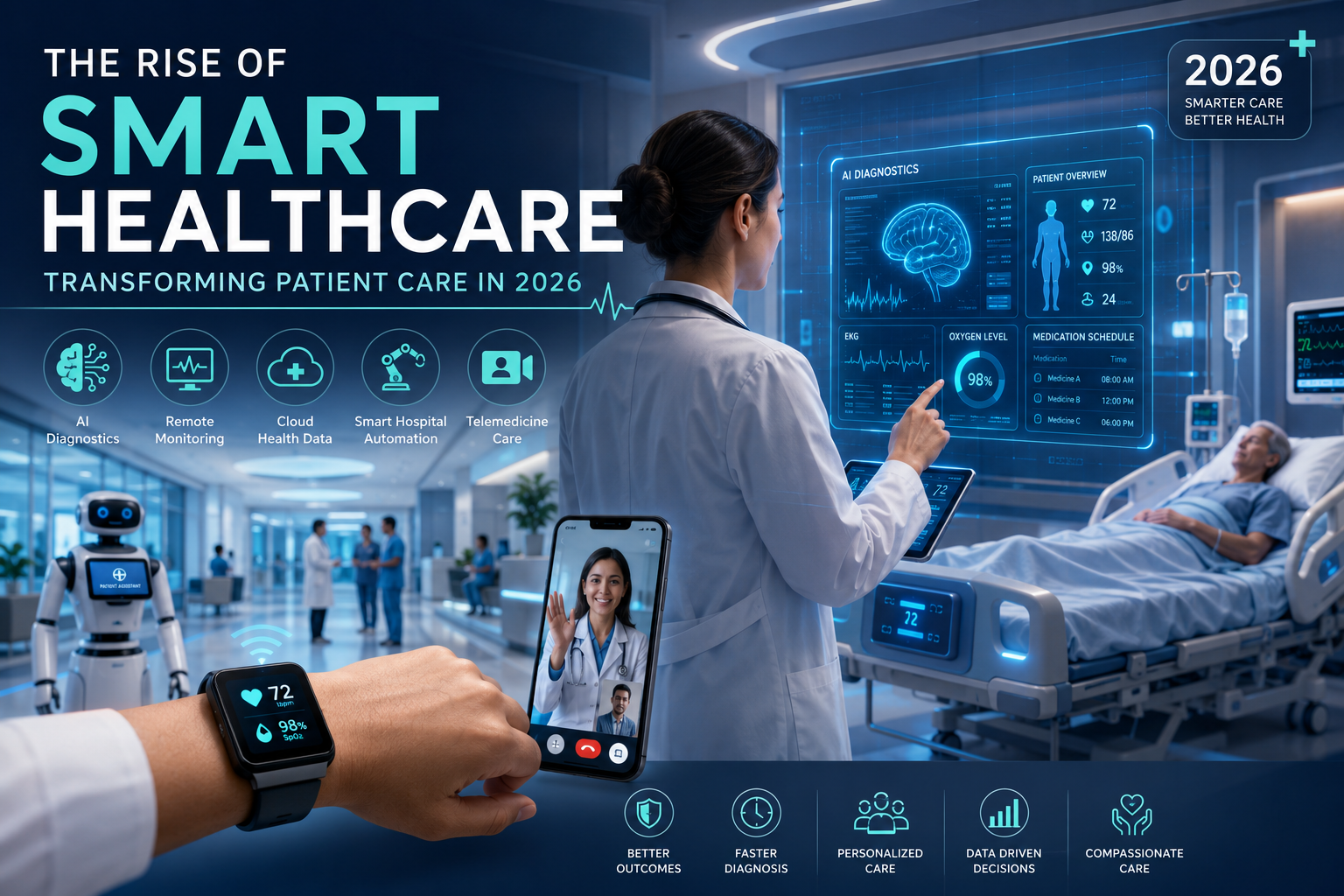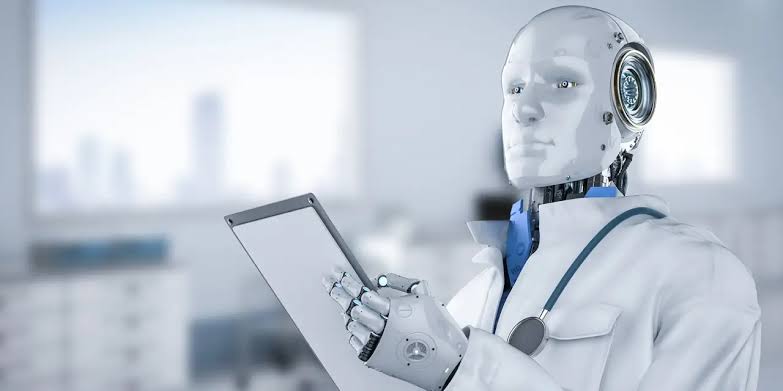
The healthcare industry is undergoing a massive transformation, driven by one of the most powerful technologies of our time—Artificial Intelligence (AI). From diagnosing diseases faster to improving patient care and reducing costs, AI is reshaping how modern medicine works.
But what exactly is the AI revolution in healthcare, and why is it considered the future of medicine?
In this comprehensive guide, we will explore how AI is transforming healthcare, its real-world applications, benefits, challenges, and what the future holds in 2026 and beyond.
AI is also powering smart medical gadgets like wearable health trackers and monitoring devices. Explore the latest innovations in our guide on Top 10 Gadgets in 2026.
What is AI in Healthcare?
Artificial Intelligence in healthcare refers to the use of advanced algorithms, machine learning models, and data analytics to perform tasks that typically require human intelligence.
👉 In simple terms:
AI helps doctors, hospitals, and healthcare systems analyze data, make decisions, and improve patient outcomes faster and more accurately.
AI systems can:
- Analyze medical records
- Detect diseases early
- Predict health risks
- Assist in surgeries
- Improve hospital operations
How AI is Transforming Healthcare
AI is not just a trend—it is a revolution. Here’s how it is changing the medical world:
1. Faster and Accurate Diagnosis
AI can analyze medical images like X-rays, MRIs, and CT scans with incredible accuracy.
- Detects cancer at early stages
- Identifies brain tumors
- Diagnoses heart diseases
👉 AI reduces human error and speeds up diagnosis, saving lives.
2. Personalized Treatment Plans
Every patient is different. AI helps create custom treatment plans based on:
- Medical history
- Genetics
- Lifestyle
This approach is called precision medicine, and it is becoming the future of healthcare.
3. AI-Powered Medical Imaging
AI tools can scan thousands of images in seconds.
- Radiology becomes faster
- More accurate detection
- Reduced workload for doctors
4. Virtual Health Assistants
AI chatbots and virtual assistants are now helping patients 24/7.
Examples:
- Symptom checkers
- Appointment scheduling
- Medication reminders
5. Drug Discovery and Development
AI significantly reduces the time needed to develop new medicines.
- Speeds up research
- Predicts drug effectiveness
- Reduces costs
Real-Life Examples of AI in Healthcare
AI is already being used worldwide:
- AI detecting cancer earlier than doctors
- Smart wearables tracking heart rate and health
- AI robots assisting in surgeries
- Hospitals using AI for patient management
Benefits of AI in Healthcare
1. Improved Accuracy
AI reduces misdiagnosis and human error.
2. Cost Reduction
Hospitals save money by automating processes.
3. Better Patient Care
Faster diagnosis = faster treatment.
4. Time Efficiency
Doctors spend less time on repetitive tasks.
5. 24/7 Availability
AI systems work continuously without breaks.
AI and Big Data in Healthcare
Healthcare generates massive amounts of data every day.
AI helps:
- Analyze patient records
- Predict disease outbreaks
- Improve hospital efficiency
To understand how data plays a role, explore data science
Role of Cloud Computing in AI Healthcare
AI systems require huge computing power and storage.
Cloud computing helps by:
- Storing medical data securely
- Running AI models efficiently
- Enabling remote access
Learn more about it here: cloud computing
AI in Medical Devices and Wearables
Modern healthcare devices are powered by AI:
- Smartwatches tracking heart rate
- Fitness bands monitoring activity
- Devices detecting irregular heart rhythms
These tools help in preventive healthcare.
AI in Hospitals and Healthcare Management
Hospitals use AI to:
- Manage patient records
- Optimize staff schedules
- Predict patient admissions
- Reduce waiting time
AI in Surgery
AI-powered robots assist surgeons in performing complex procedures.
Benefits:
- Higher precision
- Smaller incisions
- Faster recovery
Challenges of AI in Healthcare
Despite its benefits, AI has some challenges:
1. Data Privacy Issues
Patient data must be protected.
2. High Implementation Cost
AI systems require investment.
3. Lack of Skilled Professionals
Healthcare workers need AI training.
4. Ethical Concerns
AI decisions must be transparent and fair.
Future of AI in Healthcare (2026 and Beyond)
The future of AI in healthcare looks incredibly promising.
Key trends:
- AI-driven hospitals
- Robotic surgeries becoming common
- Predictive healthcare systems
- Integration with IoT devices
- Remote patient monitoring
AI will make healthcare:
✔ Faster
✔ Smarter
✔ More accessible
AI Revolution in Healthcare: Global Impact
Countries like:
- USA 🇺🇸
- UK 🇬🇧
- Canada 🇨🇦
- Germany 🇩🇪
- Australia 🇦🇺
are investing heavily in AI healthcare technologies to improve medical systems and patient outcomes.
Why AI in Healthcare Matters
The importance of AI in healthcare cannot be ignored.
It helps:
- Save lives
- Reduce costs
- Improve efficiency
- Enhance patient experience
AI is not replacing doctors—it is empowering them.
How to Start Learning AI in Healthcare
If you want to enter this field:
Steps:
- Learn AI basics
- Study healthcare systems
- Explore machine learning
- Work on projects
- Get certifications
Conclusion
The AI revolution in healthcare is transforming the future of medicine. From early diagnosis to personalized treatment and advanced surgeries, AI is improving every aspect of healthcare.
As technology continues to evolve, AI will play an even bigger role in making healthcare more efficient, accessible, and accurate.
Understanding AI in healthcare is not just important—it is essential for the future.