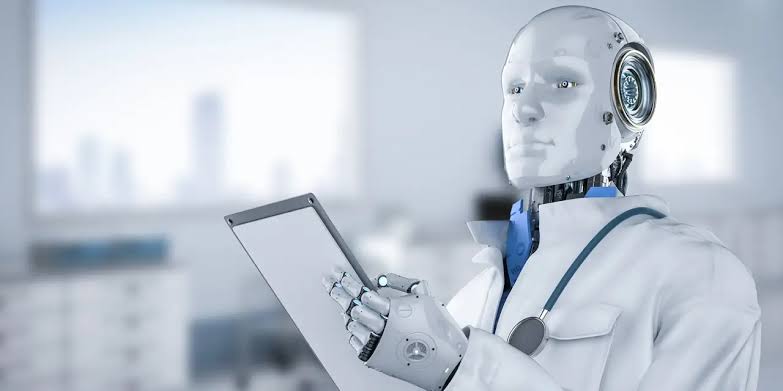
Healthcare institutions are rapidly transitioning to digital management systems, improving efficiency, record accuracy, and patient experience.
The Shift Toward Digital Healthcare Systems
The healthcare industry is undergoing a major digital transformation, with hospitals adopting advanced Hospital Management Systems (HMS) to streamline operations and enhance patient care. Traditional paper-based processes are being replaced by integrated digital platforms that centralize data, improve communication, and reduce human errors.
A modern HMS connects various departments—such as reception, billing, pharmacy, laboratory, and medical records—into a single unified system. This ensures real-time access to patient information, enabling faster and more accurate decision-making.
Key Features of Modern HMS
Digital hospital systems come with a wide range of features designed to improve efficiency and patient experience:
- Electronic Medical Records (EMR): Centralized patient data accessible anytime
- Appointment Scheduling: Online booking and automated reminders
- Billing & Insurance Management: Accurate and transparent financial processing
- Laboratory Integration: Seamless test ordering and report generation
- Pharmacy Management: Inventory tracking and prescription handling
These features not only save time but also ensure consistency and accuracy across all hospital operations.
Benefits for Healthcare Providers
Implementing a digital HMS offers significant advantages for hospitals and medical staff:
- Improved Efficiency: Automation reduces manual workload
- Better Coordination: Departments can share data instantly
- Error Reduction: Minimizes mistakes in records and prescriptions
- Data Security: Digital records are more secure than paper files
- Enhanced Reporting: Easy generation of analytics and reports
Healthcare professionals can focus more on patient care rather than administrative tasks.
Enhancing Patient Experience
Digital systems greatly improve the patient journey. From online appointment booking to accessing medical reports through patient portals, technology makes healthcare more accessible and convenient.
Patients benefit from:
- Shorter waiting times
- Easy access to medical history
- Faster diagnosis and treatment
- Transparent billing processes
Telemedicine services also allow patients to consult doctors remotely, reducing the need for physical visits.
Challenges in Digital Transformation
Despite the advantages, transitioning to digital systems can be challenging. Hospitals must invest in infrastructure, training, and system integration.
Common challenges include:
- High initial implementation costs
- Staff training and adaptation
- Data migration from legacy systems
- Cybersecurity risks
Addressing these challenges requires proper planning, reliable technology partners, and continuous system updates.
Future of Digital Hospital Systems
The future of hospital management systems is closely tied to emerging technologies such as Artificial Intelligence (AI), Internet of Things (IoT), and Big Data analytics. These technologies will further enhance automation, predictive healthcare, and real-time monitoring.
In the coming years, hospitals can expect:
- AI-powered decision support systems
- Smart devices for continuous patient monitoring
- Predictive analytics for disease prevention
- Fully integrated, paperless environments
Digital transformation is not just an upgrade—it is a necessity for modern healthcare institutions aiming to deliver high-quality, efficient, and patient-centered care.