Introduction
Healthcare is undergoing one of the most significant transformations in its history. In 2026, the integration of advanced technologies is not just enhancing medical services—it is redefining how hospitals operate, how doctors make decisions, and how patients experience care. From artificial intelligence to connected medical devices, smart healthcare is becoming the backbone of modern medical systems.
The Role of Artificial Intelligence
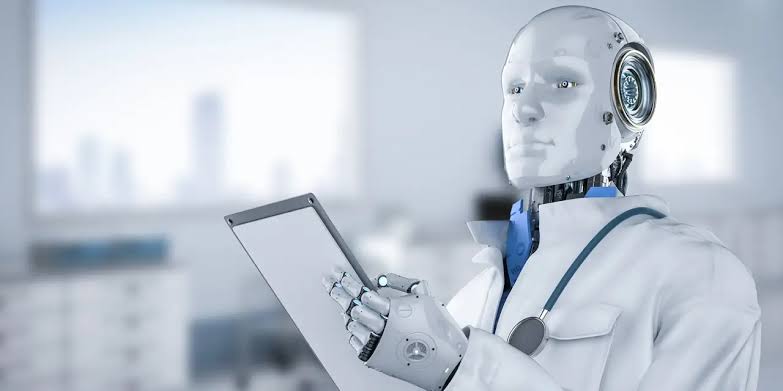
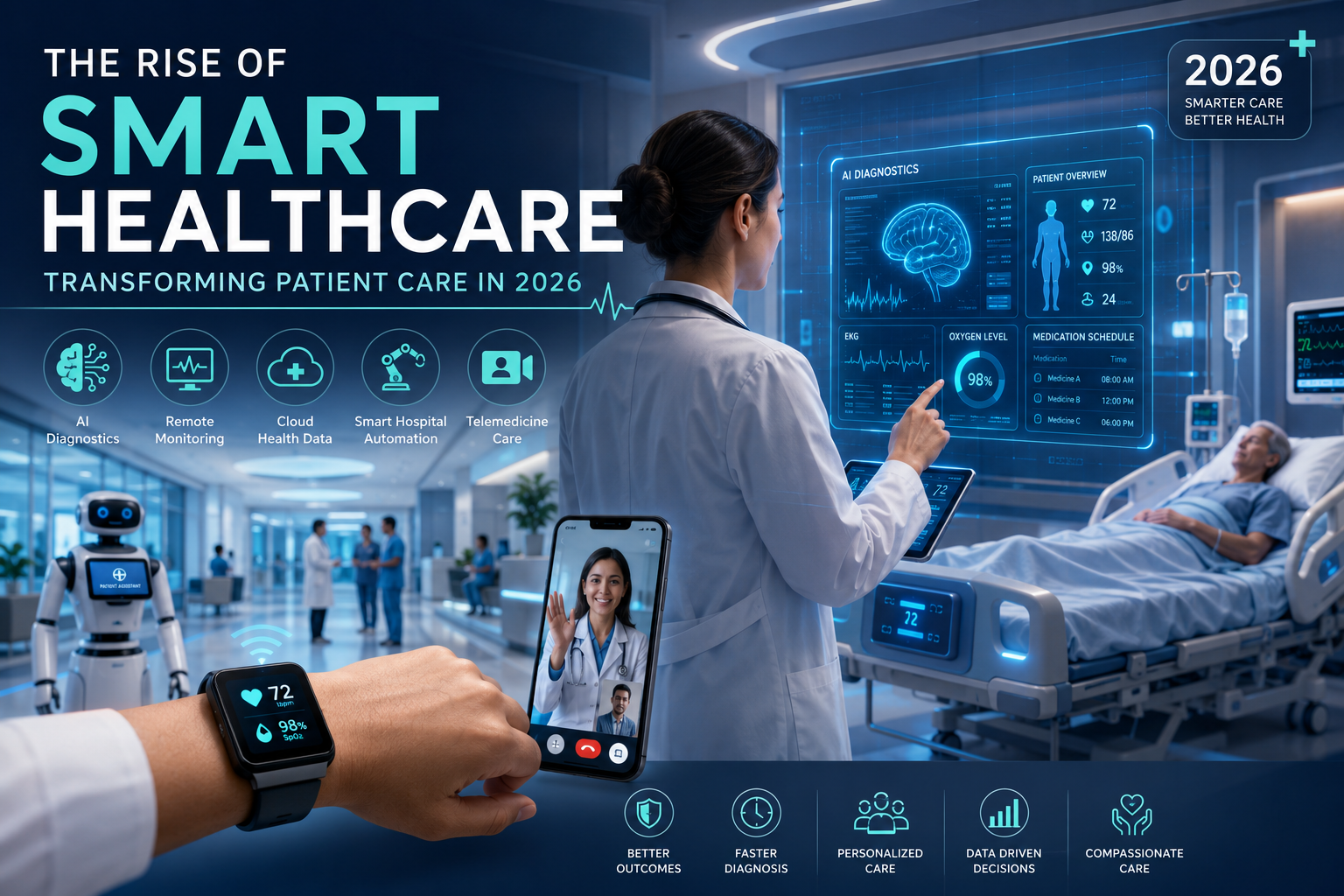
Artificial intelligence (AI) is now a critical tool in hospitals worldwide. It assists doctors in diagnosing diseases faster and more accurately by analyzing vast amounts of medical data within seconds. AI-powered systems can detect patterns in imaging scans, predict patient deterioration, and even suggest treatment plans based on historical data.
For example, in radiology, AI tools can identify early signs of conditions such as cancer or neurological disorders, often before symptoms become severe. This early detection significantly improves patient outcomes and reduces long-term treatment costs.
Telemedicine and Remote Care
Telemedicine has evolved beyond simple video consultations. Today, patients can receive continuous care from the comfort of their homes using wearable devices that monitor vital signs such as heart rate, oxygen levels, and blood pressure in real time.
Hospitals are now equipped with centralized dashboards where healthcare providers can monitor multiple patients remotely. This not only improves efficiency but also ensures that critical cases receive immediate attention.
Smart Hospitals and Automation
Modern hospitals are becoming “smart ecosystems.” Automation is streamlining routine tasks such as patient registration, appointment scheduling, and medical record management. Smart beds can track patient movement and alert staff in case of abnormalities, while automated medication systems reduce human error.
These innovations allow healthcare professionals to focus more on patient care rather than administrative tasks, improving both efficiency and patient satisfaction.
Data-Driven Decision Making
Healthcare is now driven by data. Hospitals collect and analyze information from various sources, including electronic health records, diagnostic tools, and patient feedback systems. This data helps in:
- Improving treatment accuracy
- Reducing hospital readmissions
- Enhancing operational efficiency
- Predicting disease outbreaks
With better data insights, hospital management can make informed decisions that improve both clinical outcomes and resource allocation.
Challenges and Considerations
Despite its benefits, smart healthcare comes with challenges. Data privacy and cybersecurity are major concerns, as sensitive patient information must be protected from breaches. Additionally, the cost of implementing advanced technologies can be high, especially for smaller healthcare facilities.
Training medical staff to adapt to new systems is another critical factor. Without proper training, even the most advanced tools may not deliver their full potential.
The Future Outlook
The future of healthcare is undoubtedly digital. Innovations such as robotic surgery, personalized medicine, and AI-driven drug discovery are expected to become more widespread. Hospitals that embrace these changes will be better positioned to provide high-quality, efficient, and patient-centered care.
Conclusion
Smart healthcare is no longer a concept of the future—it is a reality shaping the present. As technology continues to evolve, the healthcare industry must adapt to ensure that patients receive the best possible care. By combining human expertise with advanced technology, the medical field is moving toward a more efficient, accurate, and compassionate future.